 By Madsen Lake
It’s the first thing every mammal drinks after birth. Before mother’s milk comes in fully, there’s colostrum — a thick, nutrient-dense fluid packed with immunoglobulins, growth factors, antimicrobial peptides, and bioactive compounds that give the newborn immune system its first real briefing. Without it, the transition from the sterile womb to the microbial world would be significantly more dangerous.
That biological sophistication doesn’t disappear when colostrum is sourced from adult animals for supplemental use. Bovine colostrum powder — derived from the first milkings of cows after calving — retains a remarkable concentration of immune-supporting and gut-repairing compounds that have attracted serious scientific attention in recent decades.
This guide covers what bovine colostrum actually contains, what the research says about its effects, how to assess product quality, and who is most likely to benefit from including it in a daily health protocol.
What Is Bovine Colostrum?
Bovine colostrum is the pre-milk secretion produced by cows in the first 24–48 hours after calving. It’s compositionally distinct from regular milk: significantly higher in protein, lower in fat and lactose, and rich in bioactive compounds that don’t exist in mature milk in meaningful quantities.
The most clinically relevant components include: immunoglobulins (IgG, IgA, IgM) — antibodies that neutralise pathogens in the gut and support mucosal immunity; lactoferrin — an iron-binding glycoprotein with broad antimicrobial and anti-inflammatory properties; growth factors including IGF-1, TGF-β, and EGF, which support tissue repair and gut lining integrity; proline-rich polypeptides (PRPs) that modulate immune responses; and various cytokines, enzymes, and antimicrobial peptides.
The IgG content is particularly significant. Bovine IgG shares structural similarity with human IgG, and research suggests it can bind to pathogenic organisms in the gut lumen, support secretory IgA production, and modulate intestinal immune signalling. Quality colostrum powder will specify IgG content as a percentage or milligrams per serving — a key quality marker.
Gut Health: The Primary Frontier
The gut lining is a critical interface between the outside world and the bloodstream. A single cell layer thick, it must simultaneously allow nutrients to pass through while preventing bacteria, toxins, and undigested food particles from entering circulation — a condition commonly described as increased intestinal permeability, or ‘leaky gut.’
Bovine colostrum has attracted significant research interest for its potential to support gut barrier integrity. A 2016 randomised controlled trial published in the American Journal of Physiology found that bovine colostrum supplementation significantly reduced gut permeability markers induced by exercise in athletes — a relevant finding given that intense exercise is a known trigger for transient increases in intestinal permeability.
The growth factors in colostrum — particularly EGF and IGF-1 — appear to support the proliferation and repair of intestinal epithelial cells. Lactoferrin has demonstrated direct antimicrobial activity against a range of pathogenic bacteria, yeasts, and viruses. And the immunoglobulin fraction helps manage the microbial load the gut lining must contend with.
Immune Support: More Than Just Antibodies
Approximately 70–80% of the body’s immune cells reside in gut-associated lymphoid tissue (GALT) — the immune infrastructure lining the gut wall. This means gut health and immune function are deeply intertwined, and interventions that support gut integrity often have downstream effects on systemic immunity. Bovine colostrum works on both fronts simultaneously.
Several studies have examined bovine colostrum’s effects on upper respiratory tract infections in athletes — a population with known immune vulnerability due to high training loads. A meta-analysis of randomised trials found that colostrum supplementation was associated with a significantly lower rate of upper respiratory tract infection episodes compared to placebo. While the effect size was moderate, the consistency across studies is noteworthy.
The PRPs in colostrum have been studied for their immune-modulatory effects — supporting immune responses when needed and helping calibrate the response when the immune system is overactivated. This bidirectional regulation distinguishes colostrum from simple immune stimulants.
Colostrum in Tablet Form: Convenience Without Compromise
For those who prefer a tablet format over powder, SGD Low Lactose Chewable Colostrum Tablets provide a standardised IgG dose in a convenient, low-lactose form. The chewable format is particularly practical for those who find mixing powders inconvenient, for children, or for travel. The reduced lactose content makes these tablets accessible to individuals with mild lactose sensitivity who might otherwise avoid dairy-derived supplements.
When evaluating any colostrum product in tablet or capsule form, checking that the IgG content per dose matches the powder equivalent you’d be aiming for is essential. A product that doesn’t list IgG milligrams per tablet is not demonstrating the transparency a quality supplement should offer.
The Role of Prebiotics Alongside Colostrum
Colostrum supports the gut lining and immune system directly. But the microbial community living in the gut is an equally important player in intestinal health — and that’s where prebiotic fibres come in.
Prebiotics are non-digestible carbohydrates that selectively feed beneficial bacteria, particularly Bifidobacterium and Lactobacillus species. By providing the substrate these bacteria need to produce short-chain fatty acids (SCFAs) — especially butyrate — prebiotics support colonocyte energy metabolism, reduce luminal pH, and create conditions that inhibit pathogenic organisms.
Combining bovine colostrum (for gut lining support and immune modulation) with a quality prebiotic (for microbiome nourishment) creates a complementary approach that addresses both the structural integrity of the gut and the microbial community within it. For individuals recovering from gut dysbiosis, post-antibiotic disruption, or managing inflammatory conditions, this dual approach is logically sound.
What to Look for When Buying Colostrum Powder
The quality variation in the bovine colostrum market is significant. Key markers of a quality product include: IgG content clearly stated (look for at least 20–25% IgG by weight in a quality powder, or specific milligrams per serving); collection timing (first or second milking only — later collections have significantly lower bioactive concentrations); low-heat processing (excessive heat denatures immunoglobulins and growth factors; look for cold-process or low-temperature spray-drying); and minimal additives.
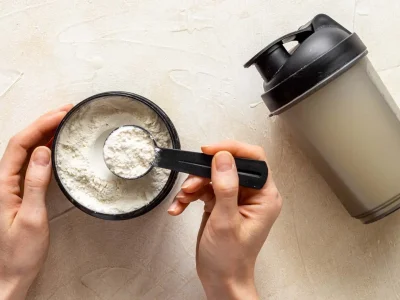
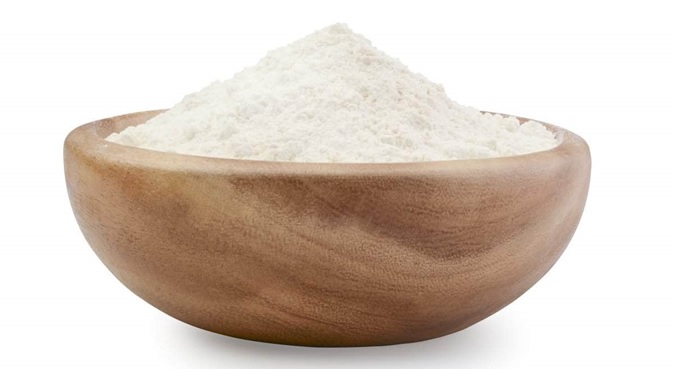
A 100% pure beef colostrum powder with no fillers, flavours, or excipients is the cleanest form. It can be mixed into water, smoothies, or cold liquids (heat above 40°C may degrade some bioactives), making it a versatile addition to a morning wellness routine.
For Australians, sourcing colostrum from local producers with stringent animal welfare and quality control standards is both ethically sound and practically advantageous — shorter supply chains typically mean less degradation in transit.
Who Benefits Most from Colostrum Supplementation?
The research evidence is strongest in several specific populations: athletes experiencing high training loads and immune vulnerability; individuals with increased intestinal permeability or gut barrier dysfunction; people recovering from illness, surgery, or antibiotic treatment; those managing frequent upper respiratory infections; and individuals with inflammatory gut conditions seeking complementary support alongside medical treatment.
Healthy individuals looking to support general gut and immune health proactively may also benefit, though the effect sizes in this population are harder to demonstrate in clinical trials. The safety profile of bovine colostrum is well-established — it’s a whole food, not a synthesised compound — with the primary consideration being lactose sensitivity and bovine milk allergy (rare, but relevant to disclose).
Conclusion
Bovine colostrum powder is one of the most bioactively complex food-derived supplements available. Its combination of immunoglobulins, growth factors, lactoferrin, and antimicrobial peptides creates a multi-faceted profile that addresses gut barrier integrity and immune function simultaneously — a combination few other supplements can match.
As with all supplement choices, quality is the determining factor between meaningful results and wasted money. Prioritise products with verified IgG content, clean processing, and transparent sourcing. And consider how colostrum fits within a broader protocol that includes fermented foods, prebiotics, and the dietary foundations that make all supplementation more effective.